

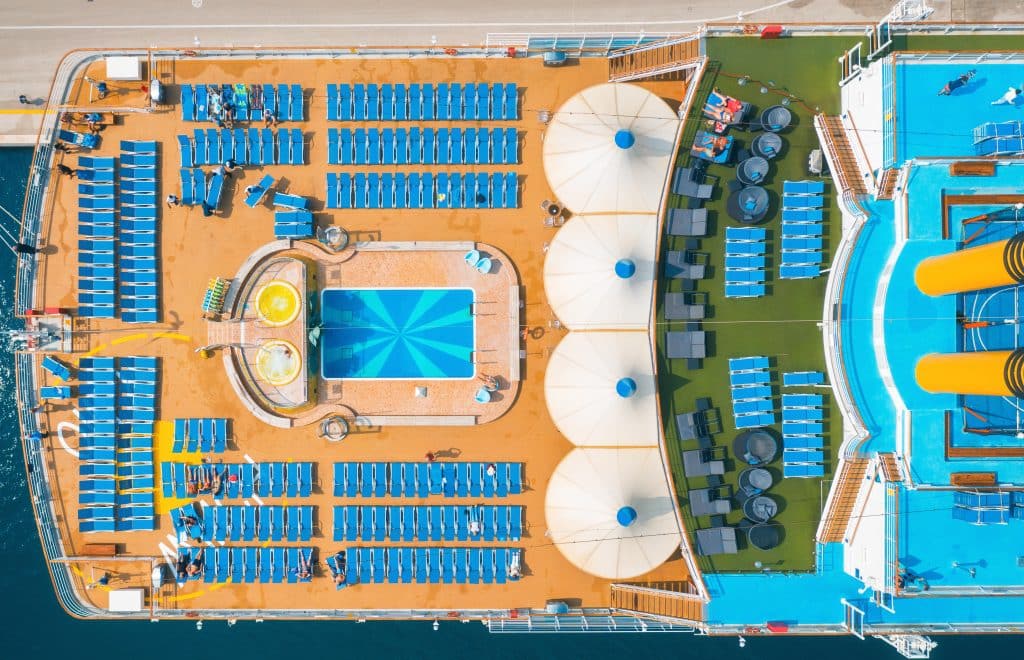
NYCEDC’s November 2025 announcement describes a specific improvement at the terminal. Its local value depends on connection and use, alongside other waterfront activity.
Shore power allows a compatible ship at a suitably equipped berth to draw electricity from land. Its value for nearby neighborhoods concerns the time the ship spends in port. To judge a waterfront improvement, residents need to know whether the equipment is available, whether ships use it and what other local impacts remain.
What changed at Brooklyn Cruise Terminal
In November 2025, NYCEDC announced an expansion of shore-power infrastructure at Brooklyn Cruise Terminal. The announcement described changes intended to let more visiting ships connect to the terminal’s system, including adjustments to cable connections and positioning.
That is a specific infrastructure development. It does not establish that every arriving ship connects or that all impacts of a cruise journey have been removed. A useful follow-up asks how the system performs during actual calls at the terminal.
Understand the boundary of the announcement
The November 2025 announcement concerns infrastructure at Brooklyn Cruise Terminal. Current performance would need to be assessed from operating records or inspections after installation.
Shore power addresses an electrical supply while a compatible ship is connected at an equipped berth. To understand a claimed benefit, identify the time and activities covered. A statement about conditions alongside the terminal is different from a statement about an entire voyage.
The electricity supplied from land also belongs in any wider environmental assessment. A reader comparing published figures should ask whether the calculation includes electricity generation and which assumptions were used. The operator or author of the calculation should be able to explain its scope.
This boundary is useful for neighborhood discussions. It allows residents to recognize a concrete infrastructure change while continuing to ask about the activities that the change does not address.
Ask about use as well as installation
A resident or community group reviewing a terminal proposal can ask how many calls are capable of connecting and how many actually do. Ask how connection time is recorded and how interruptions or exceptions are reported.
If an emissions benefit is published, request the method, period and activities included in the calculation. Clarify whether it concerns emissions at the berth, electricity generation or the full voyage. Figures describing different boundaries cannot be compared as if they measure the same thing.
Request operating information that can be checked
A practical performance record would identify the reporting period, relevant ship calls, which calls could connect and which did. It would explain the reason for an exception where that information can be shared. Residents can then distinguish equipment availability from routine use.
If ten eligible calls occurred and eight connected, the connection rate would be 80 percent for those eligible calls. If additional calls could not use the system, the percentage of all calls would be different. Any published rate should explain which calls are included.
The actual Brooklyn terminal rate requires its operating data. A percentage can mislead when the group being measured is unclear, and the number of calls and time spent connected answer different operational questions.
Ask where updates will be published and how frequently. A clear reporting arrangement makes it easier to follow progress and reduces reliance on promotional language. It also helps the operator explain practical limits and improvements.
Look beyond the ship’s electricity supply
Terminal activity can also involve coaches, taxis, delivery vehicles, pedestrian queues and waste handling. A shore-power project needs to be considered alongside the arrangements for those activities.
A neighborhood review might examine whether vehicles block residential access, where engines idle, how passengers reach transit and who responds to noise or traffic complaints. Record times and locations so that the responsible operator or agency can investigate a specific issue.
Bring housing and street conditions into the waterfront review
Residents experience the terminal through more than its electrical equipment. Their concerns may involve vehicles near an entrance, coach queues, pedestrian crossings or the timing of deliveries. A useful review records the place and time of these conditions.
Choose an observation method that is safe and respects privacy. A community group can record a recurring access obstruction without photographing identifiable passengers or entering restricted terminal areas. Direct the evidence to the operator or responsible agency.
Separate an immediate service concern from a longer-term planning request. The immediate issue may need a change to vehicle management. The planning question may concern the layout, route or future operating arrangement. Each needs an appropriate decision-maker.
After a response, check whether the original problem was resolved during comparable conditions. A quieter day with fewer arrivals may not demonstrate that a busy-period issue has been fixed. Explain the circumstances when reporting the outcome so other residents can understand what was actually checked.
Include residents in waterfront planning
A public presentation should explain the works, expected disruption and operational arrangements in language nearby households can understand. Residents need a way to ask questions before construction and after the equipment begins operating.
For a housing organization, the practical concern is how waterfront activity affects everyday use of homes and streets. Ask whether children, older residents and people with mobility needs can move through the area safely during busy arrival periods.
Use a small set of accountable questions
- Which ships and berths can use the installed system?
- How often is a connection used and where are the results reported?
- What does the stated emissions calculation include?
- Who handles traffic, noise and access concerns?
- When will residents receive an update on performance?
These questions help turn a broad environmental promise into an assessment of a particular facility. For a wider discussion of visitors and housing, see tourism and sustainable neighborhoods.
Further questions
Does shore power make an entire cruise emission-free?
A connection concerns a ship’s electricity supply while it is at an equipped berth. A full-journey claim would need a much broader assessment. Ask which activities and energy sources the published figure covers before comparing it with another environmental claim.
What can residents request after an infrastructure announcement?
Ask for a clear account of operation, including the relevant period, eligible calls, actual use and the explanation of any reported benefit. For local access or traffic issues, request the responsible contact and follow-up process. These are different questions that may involve different organizations.